
"global coffee exports"
2000 article(s) found

Brazilian Coffee past News Brazilian Coffee introduction
Brazil is the world's most important producer of raw coffee beans, accounting for about 1% of the world's total output. Although its output has been surpassed by Vietnam in recent years, its important position in the global coffee market is still difficult to shake. Because all its exported raw coffee beans are Arabica (a small amount of Brazil's Robusta coffee is not enough for its domestic consumption; Vietnam exports the vast majority of raw coffee beans

Colombian Coffee has become the most expensive Coffee in the World
According to a report in the Colombian Times on November 6, a study by the Colombian coffee planting competitiveness investigation team shows that at present, the price of Colombian coffee with a production cost of more than US $2700 per ton is the highest in the world, while the average production cost of coffee in Latin America is US $1450 per ton, while the global average is only US $1400 per ton. Although the Colombian government subsidizes coffee farmers, Costa Rican coffee exports account for the world's coffee.

30,000 coffee bean growers export their products to Europe
July 11 report on the website of the Hindu newspaper on July 9, a report entitled "the Land of Tea has changed due to Coffee" said that Yunnan's green hinterland is known for its place of origin of tea, and now it is time for a coffee company to attract attention. It is reported that the display area of Hougu Coffee Co., Ltd., Dehong Prefecture, Yunnan Province, not far from the border between China and Myanmar, is filled with a strong aroma of coffee. In the dust
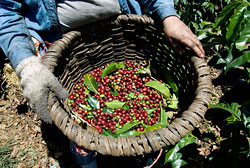
World Coffee producing areas: characteristics and stories of American Coffee beans in Global Coffee producing areas
There are more than 60 coffee producing countries and regions in the world, most of which are located in the tropics and subtropics covered by the Tropic of Cancer, and the equator passes through this area. this coffee cultivation area is also known as coffee belt or coffee area. Today I would like to introduce to you the situation of its coffee producing areas in Central America. First, Costa Rican coffee has full particles, ideal acidity and unique strong flavor. The Tower of Costa Rica

Yunnan small coffee flutters its wings and is ready to fly
Following Ka Pai (Wechat official account vdailycom) found that Beautiful Cafe opened a small shop of its own China has traditionally been famous for its fragrant teas, but the country is emerging as a key Asian producer of a different beverage: quality arabica coffee. Known for its f

Flavor and taste of Brazilian boutique coffee the characteristics of manor producing area introduce the origin of Brazilian coffee
Brazil is the world's largest exporter of coffee, known as the kingdom of coffee. In the past 40 years, the trade volume of Brazilian coffee beans and instant coffee has averaged US $1.38 billion a year. In 2002, the total volume of world coffee trade was 88.7 million bags, and Brazil exported 27.99 million bags, an increase of 19.3% over 2001, accounting for 30% of the world coffee trade volume. (the second is Vietnam, with 12.2 million bags, accounting for 13.7%.

When Swiss Coffee meets Chinese "double Festival"
Professional baristas Please follow the Coffee Workshop (official Wechat account cafe_style) at the Nestl é factory in Orbe, staff are testing the quality of instant coffee. (Keystone) how do you celebrate double Golden week? When you go out for sightseeing, take a break and have a cup of coffee to relieve your fatigue; when your family gets together to enjoy the moon, don't forget to have coffee to cheer you up. Why? Because the golden autumn is not only
Honduras, the global coffee producer
Coffee from Honduras (Honduras), the global coffee producer, is imported from El Salvador. Honduras produces high-acid high-quality coffee. Like other places, the coffee grade in Honduras depends on altitude: coffee grown at 700-1000 meters above sea level is medium, coffee grown at 1000-1500 meters above sea level is high-grade, 1500-1500 meters above sea level.
Guadeloupe, a global coffee producer
Guadelope, the global coffee producer, these islands in the Caribbean used to be an important producer of coffee. In 1789, more than 1 million coffee trees on 500 hectares of land produced 4000 tons. Today, only 150 hectares of land is used to grow coffee. This decline can be attributed to the increase in sugar cane and banana production and the impact of Hurricane Hurrlcane Ines on coffee trees in 1996.
Martinique, the global coffee producer
Martinique, the global coffee producer, is a small island and the birthplace of coffee in Central America, but it produces very little coffee today. The first coffee tree in the Western Hemisphere was brought from France by Gabriel Mathieu deClieu in the early 1820s. In his early years, Dirkley was a naval officer in Martinique, and he brought back a tree

Costa Rican coffee producing areas and exports account for 1/3 of the world's coffee types.
All the coffee trees planted in Costa Rica are Arabica coffee trees. through improvement, the quality of coffee beans is better and more stable. in order to facilitate picking, coffee trees are kept at a height of about 2 meters through continuous pruning. The coffee that people eat is the taste of the seeds in the fruit that are brewed in water. After picking raw coffee beans, the peel, pulp, seed film and sun exposure must be removed.

Introduction to the characteristics of high-quality coffee beans in the coffee flavor and taste area of Silver Mountain Manor, Jamaica
In 1948, the world-famous Jamaica Coffee Agency (CIB) was officially established, and the Jamaican government enacted the "Jamaica Blue Mountain Coffee Industry Management Act". The main responsibility of CIB is to improve the quality of Blue Mountain Coffee and regain its global reputation through management and supervision. At this time, the definition of Blue Mountain Coffee has been strictly stipulated in the law: ① gives it including wallenford.

Stories of major producers of African coffee beans what are the characteristics of African coffee beans is African coffee expensive
Professional coffee knowledge exchange more coffee bean information Please pay attention to the coffee workshop (Wechat official account cafe_style) African coffee production currently accounts for only 13 per cent of global coffee production, down from 19-20 per cent in the 1960s and 1970s. According to the statistics of the International Coffee Organization (OIC), the total global coffee production in 2010 was 8 million tons, of which the proportion of African coffee was low. But the income from coffee is
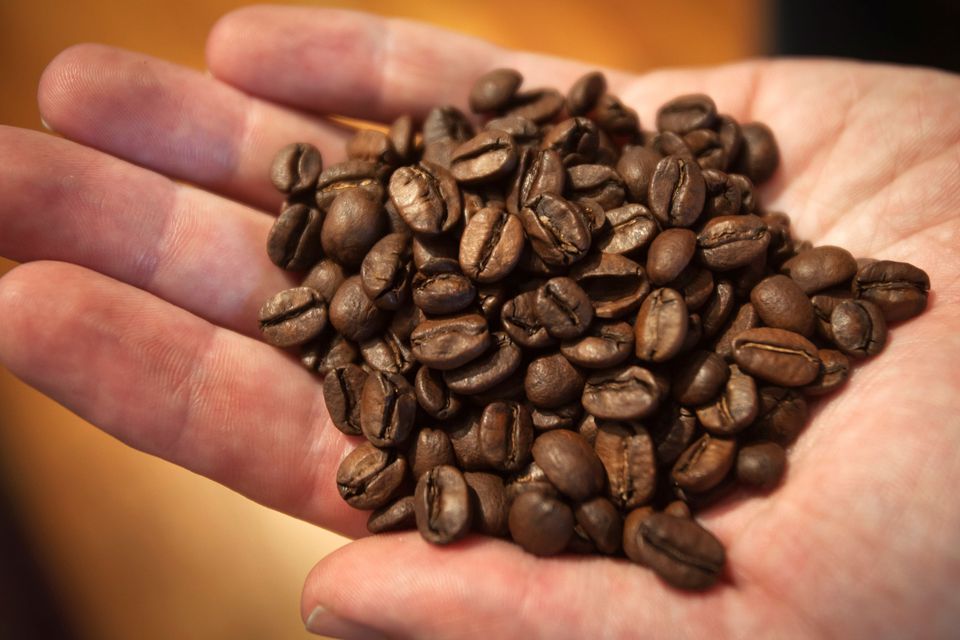
Transportation difficulties to disruption caused coffee prices to rise, world coffee futures prices fell due to rainfall in coffee-producing areas of Brazil
Transport disruptions keep coffee prices high according to Reuters on October 15, local time, global coffee transportation disruptions caused by container shortages and port congestion are difficult to balance local supplies, which may keep coffee prices high for a longer time. Coffee analysts and traders last week

Take stock of the global origin of high-quality coffee beans
Editor's note: if you want to brew delicious and mellow coffee, the most important thing is that coffee beans are the choice. What should I pay attention to when buying? What is the origin of coffee beans in the world? Let's take a look at the article: more than 50 countries around the world produce more than 3000 kinds of coffee beans every year. It is generally divided into two categories: ARABICA Arabica and ROBUSTA Robasta. ARABICA is of high quality.
Coffee bean information Kenyan coffee export earnings increased by 17% from 2013 to 2014
As a result of higher production and higher prices, Kenyan coffee exports increased by 17 per cent to US $254 million from October 2013 to September 2014, and exports increased by 25 per cent to 49500 tons. Kennon benefited from a drought in Brazil, the world's largest coffee producer, last year, which led to a rise in global coffee prices. The export market of Ken coffee is also gradually expanding, in addition to the traditional European and American markets.
Development Strategy of Coffee Industry in Yunnan
First, the course of coffee industry in Yunnan (1) A brief history of the introduction of coffee in Yunnan is the product of foreign missionary work. After Burma became a British colony, British missionaries went to the Kachin region of Myanmar to preach, and the missionaries grew coffee for their own use. Then the Jingpo people in this area gradually began to grow coffee. As the Jingpo people live across borders, with the exchange of visiting relatives and friends, intermarriage and exchange, coffee comes in.

The tea countryside of Yunnan has been changed by coffee-- coffee bean growers have exported 30,000 products to Europe.
Professional baristas Please follow the report "the Land of Tea has changed due to Coffee" in the coffee workshop (Wechat official account cafe_style). Yunnan's green hinterland is known because of its tea origin, and now it is a coffee company's turn to attract attention. It is reported that the display area of Hougu Coffee Co., Ltd., Dehong Prefecture, Yunnan Province, not far from the border between China and Myanmar, is filled with strong coffee aroma.
Chinese Coffee Machinery enters Africa
Among the products called black gold by Africans, in addition to oil, there is also coffee. Coffee is the main cash crop in Angola, the primary export of Burundi and the largest foreign exchange earning industry in Kenya in the past. Ethiopia is known as the hometown of coffee; C ô te d'Ivoire occupies an important position in the world in terms of coffee production; Uganda is famous for its production per unit area in Africa, however, due to insufficient production.

Global coffee producing area Indonesian coffee market
In the mid-17th century, coffee trees were introduced to Indonesia by the Dutch (some official sources believe that earlier). The first batch of coffee from Java was sold to Amsterdam in 1712. However, coffee trees in all plantations were destroyed by coffee rust in 1877, and Robart coffee trees had to be introduced from Africa to replace the original species. Today, only 6% of the coffee beans and 10% of the coffee beans are Arab.